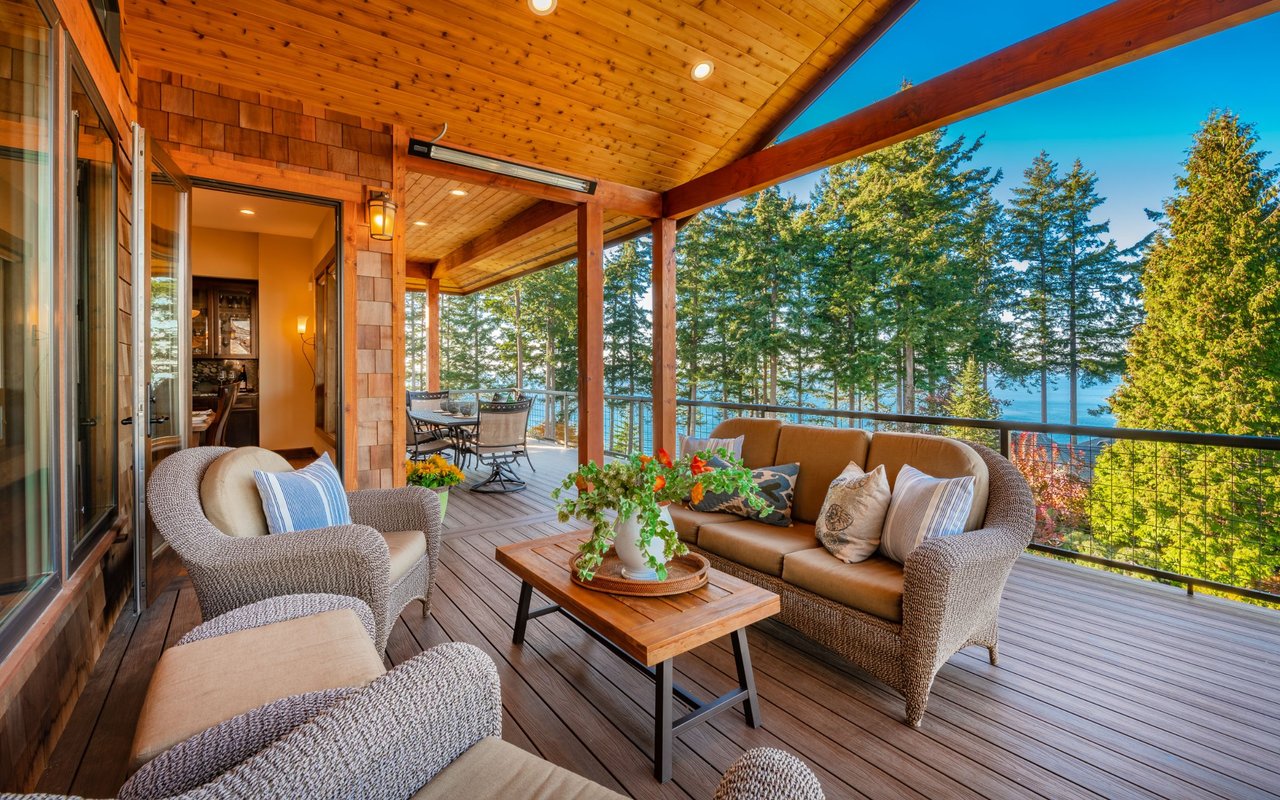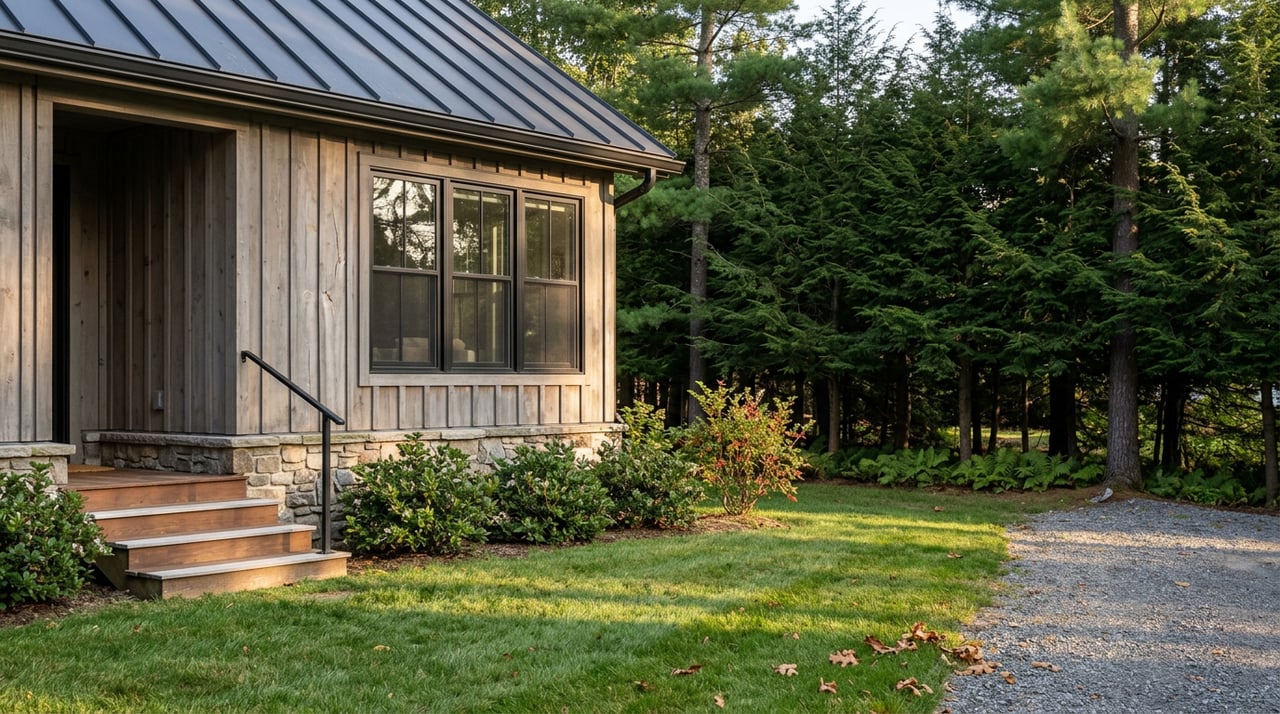
Two cabins sit a half mile apart, both listed with a White Haven, PA mailing address, both in the same 18661 zip code. One can legally rent nightly with a license from the borough. The other cannot rent short-term at all, full stop, because it sits across an invisible township line the listing photos never show.
That line is the thing most out-of-state buyers never think to ask about, because nothing on the MLS sheet tells them it exists. "White Haven" is a postal name. It is not a single government, and it is not a single set of rental rules. Before you underwrite a short-term rental purchase anywhere near White Haven, you need to know which of four separate jurisdictions actually controls the parcel, because the answer changes everything about the deal.
One Postal Name, Four Zoning Maps
The 18661 zip code and the "White Haven" address cover White Haven Borough itself, plus three neighboring municipalities that share the same mailing designation: Foster Township, East Side Borough, and Dennison Township. Each one writes and enforces its own zoning code. Each one has taken a different position on short-term rentals, and those positions have moved in opposite directions over the past decade.
A listing search for "White Haven" treats all of this inventory as one market. It is not. It is four regulatory systems wearing the same address label, and the difference between them is the difference between a licensed income property and a house you cannot legally rent for a weekend.
White Haven Borough: A Yes, With a Checklist
The borough itself regulates short-term rentals through Ordinance No. 1 of 2018, which it defines as "vacation home rentals." The rules are specific: occupancy is capped at two people per bedroom with a maximum of five bedrooms, the owner needs a local contact within 20 miles if they live farther away, parking requires one space per bedroom, and every guest group has to be registered with the Borough Zoning Officer at least a week before arrival. Properties go through an annual inspection, and hosts need to carry at least $500,000 in liability coverage.
Sources disagree on the annual license fee. One STR compliance guide lists it at $200, another puts it at $350 and notes the figure is subject to adjustment by Borough Council resolution. That gap alone is worth a phone call to the borough office before you write a number into your pro forma. What isn't in dispute is the penalty for skipping the license entirely: fines of $500 per day, with the borough retaining authority to revoke a license outright for repeat violations.
The point isn't that the borough is strict. It's that the borough says yes, with a process. That is not true a few hundred yards away.
Foster Township: A Yes That Keeps Getting Smaller
Foster Township, which also carries White Haven addresses, has spent the last decade tightening rather than loosening. It banned short-term rentals outright in its R-1 and R-1A residential zoning districts back in 2016, then added a separate vacation rental ordinance in 2019 for the zones where STRs remained allowed. Occupancy and parking rules got another pass in 2022, and the township added further zoning district restrictions in 2025.
Here's the detail that actually matters for a buyer: Foster Township allows previously licensed properties that now sit in a restricted zone to keep operating under a grandfathering provision. That sounds reassuring until you ask the follow-up question nobody puts in the listing description: does that grandfathered status transfer to a new owner, or does it reset the moment the property changes hands? The answer determines whether the income history on that listing is a projection you can rely on or a number that disappears at closing. Foster Township's zoning office is the only place to get a real answer, and the township's ordinances are posted publicly if you want to read the language yourself.
The Four Jurisdictions, Side by Side
| Municipality | STR Status | Distinguishing Detail |
|---|---|---|
| White Haven Borough | Permitted with license | Ordinance No. 1 (2018); annual inspection, $500K liability minimum, guest registration one week out |
| Foster Township | Permitted in some zones, banned in R-1/R-1A | 2016 ban, tightened 2019, 2022, and 2025; grandfathering for existing licenses |
| East Side Borough | Prohibited, one exception | Population 294; sole carve-out near the shuttered Mountain Laurel Golf Club |
| Dennison Township | Conditional Use only | No dedicated STR ordinance; allowed only in R-2 and Mixed-Use zones by case-by-case approval |
East Side Borough: 294 People and One Exception
East Side Borough is small enough that its zoning decisions read almost like a single household rule. It enacted a zoning ordinance that prohibits short-term rentals throughout the borough, with exactly one carve-out: a parcel of land adjacent to the now-shuttered Mountain Laurel Golf Club. If your listing search turns up a property in East Side Borough that isn't that specific parcel, the short-term rental plan is dead before you make an offer.
Dennison Township: No Ordinance, Which Isn't the Same as No Rules
Dennison Township, just west of Penn Lake Park, hasn't adopted a dedicated short-term rental ordinance at all. That absence gets misread by a lot of buyers as an absence of restriction. It isn't. Short-term rentals here are permitted only as a Conditional Use within the R-2 and Mixed-Use zoning districts, which means a case-by-case approval process rather than a simple license application. No ordinance does not mean no gatekeeping. It means the gatekeeping happens through the conditional use hearing instead of a checklist.
The Number the Median Price Doesn't Explain
As of August 2026, White Haven listings carried a median list price of roughly $351,000, or about $182 per square foot, with homes spending a median of 72 days on the market, a 26 percent drop from the same month a year earlier. That's a market cooling off, on paper.
But that number is blended across all four jurisdictions, because the data source that generates it groups by mailing address, not by zoning authority. A buyer comparing two similarly priced White Haven cabins is often comparing a fully licensable income property to a house that can never legally generate nightly revenue, and the price gap between them may not reflect that difference at all. Sometimes it does, when local agents and appraisers have priced in the zoning risk. Often it doesn't, because the friction only becomes visible once someone actually calls the township. That gap between what the price implies and what the zoning permits is the real opportunity, and the real risk, hiding inside a market that looks uniform from a portal search.
Before You Write an Offer
- Confirm which municipality actually governs the parcel. The mailing address will not tell you.
- Call that municipality's zoning office and request a written zoning verification letter naming the parcel and its allowed use.
- If the property already operates as a short-term rental, ask directly whether the current license is grandfathered and whether that status survives a change of ownership.
- Check for an HOA or POA layered on top of the township rules. Some Pocono communities restrict rentals more tightly than their host municipality does.
- Confirm hotel occupancy tax registration status if you're buying an existing operation, since Pennsylvania treats stays under 30 days as taxable lodging regardless of which township you're in.
For background on how Pennsylvania courts have treated STR bans in residential zoning, the Joint State Government Commission's 2025 staff study on short-term rentals walks through the underlying case law, including the state Supreme Court's 2019 Slice of Life decision, which relied on a 2004 precedent holding that purely transient use of a property isn't automatically a permitted use in a residential zoning district.
Why This Is Underwriting, Not Just a Zoning Question
None of this shows up on a listing sheet, and none of it shows up in a portal's median price calculation. It shows up when you call a zoning office and ask the specific question about the specific parcel. That's the work that separates a revenue projection you can trust from one built on a listing description that never mentions which government actually controls the property.
This is the exact gap Live Free Listings exists to close, sourcing and underwriting Pocono acquisitions with the zoning and licensing legwork done before an offer goes in, not after closing. If you're weighing a White Haven purchase for short-term rental income, schedule a free investment review and revenue estimate before you write the offer, not after.
A Few Quick Answers
How can I tell which municipality actually governs a White Haven address? The mailing address won't tell you. You need the parcel number and a call to the county or the relevant township or borough zoning office to confirm which government's ordinance applies.
What does grandfathering mean if I buy an existing Foster Township short-term rental? It means a property licensed before a zoning restriction took effect may be allowed to keep operating. Whether that status transfers automatically to a new owner or has to be reapplied for is a question only the township can answer, and it should be answered in writing before you close.
Does an HOA override or add to a township's short-term rental rules? It can add to them. A township ordinance sets the floor for what's legally permitted, but an HOA or POA can impose additional restrictions on top of that, including rental minimums or outright bans, regardless of what the municipality allows.