Buying a cabin near Lake Wallenpaupack and turning it into a reliable short-term rental can feel exciting and risky at the same time. If you live out of state or this is your first Pocono investment, you might be wondering how to forecast bookings, price seasonally, and avoid costly surprises. In this guide, you’ll get a clear, Greentown-specific underwriting framework, a due-diligence checklist, and practical assumptions you can plug into your model today. Let’s dive in.
Why Greentown cabins draw demand
Greentown sits in Pike County in the Pocono Mountains, close to Lake Wallenpaupack and year-round outdoor recreation. You can attract weekenders from New York, New Jersey, and Pennsylvania, plus families on summer lake trips, fall foliage visitors, small groups for holidays, and remote workers booking longer weekday stays. Proximity to the lake, trails, and a driveable distance from major metros gives you solid leisure demand with clear seasonality.
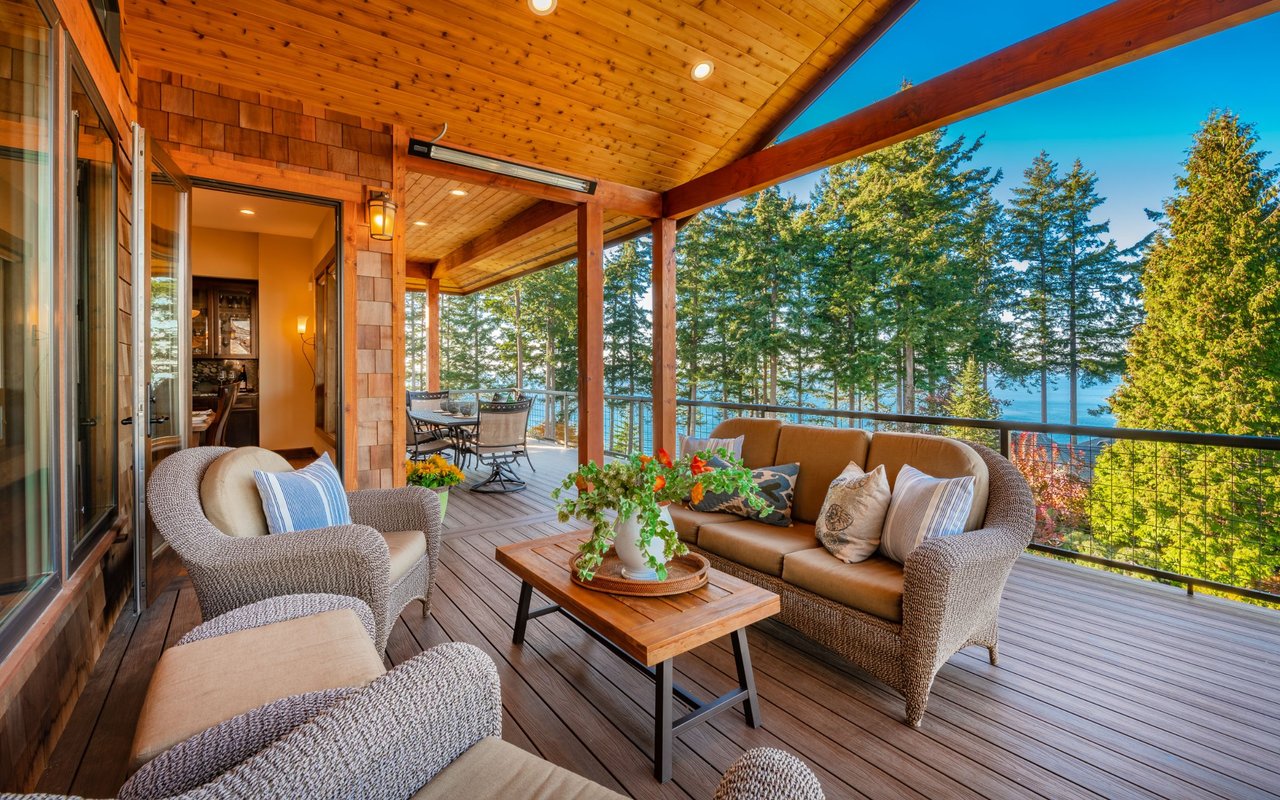
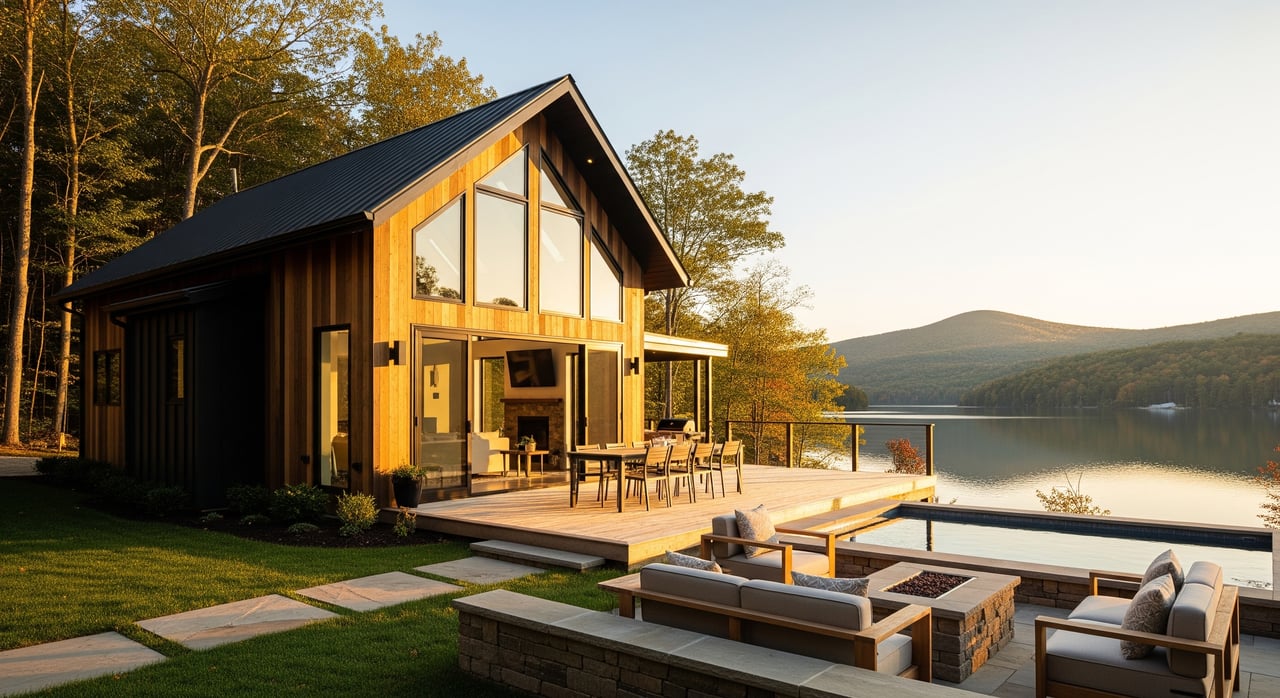
Guest expectations in this pocket of the Poconos are specific. Lake access or a dock meaningfully boosts rates and occupancy. Outdoor features like a firepit, grill, patio or deck, and a hot tub help weekend bookings pop. Pet-friendly setups widen your audience, and fast, reliable Wi-Fi supports work-friendly stays that can smooth weekday occupancy.
Seasonality to price around
Expect a pronounced seasonal curve. High season runs from late spring through early fall, especially from Memorial Day to Labor Day and peak foliage weeks. Summer holiday weeks typically command the highest ADR and occupancy. Spring and late fall act as shoulder seasons where weekends still perform. Mid-winter is the low season, aside from holiday weekends and ski-driven demand windows around Christmas and New Year’s.
To maximize revenue, align minimum nights and pricing with this calendar. Tighten minimums and raise ADR for prime weeks. During shoulders and winter, consider more flexible minimums and value-adds to encourage longer midweek bookings.
Build your revenue model
A strong underwriting model starts with month-by-month inputs. Work from real comps and let data drive each assumption.
Get ADR by month
Start with STR analytics platforms like AirDNA or AllTheRooms to pull 12 to 36 months of seasonality for cabins within 5 to 10 miles of Greentown. Filter for your bedroom count, guest capacity, and amenities such as lake access, pet-friendly status, and hot tubs. Supplement this with direct research on Airbnb and Vrbo. Record advertised ADR, minimum night rules, calendar availability, and amenity lists. Listings with a high number of reviews are generally better signals of stabilized performance.
Set occupancy by month
Use the same sources to capture occupancy patterns by month. Pay attention to gaps and booking lead times on active calendars. Group your comps into like-for-like sets by size and amenity profile. Seasonality in the Poconos is sharp, so rely on monthly occupancy, not a single annual average.
Account for available nights
Decide how many nights per month you plan to make the home available and whether you will block time for owner use. Your nights available will raise or cap your revenue ceiling. If your strategy includes owner stays during high season, model the impact separately so you understand the tradeoff.
Estimate gross revenue
For each month, multiply ADR by occupied nights. Decide how you treat cleaning fees. Many owners pass them through to guests, which means they are not rental revenue. If you plan to absorb cleaning, add those fees to gross bookings and include cleaning as an expense line.
Convert bookings to profit
Model your operating costs with realistic local ranges. In vacation markets like the Poconos, underestimating maintenance, winter operations, and management can sink returns.
Core operating costs to include
- Platform fees: Budget 3 to 15 percent depending on how your listing is structured.
- Management fees: Full-service local managers typically run 18 to 35 percent of rental revenue. Co-host options often range from 10 to 20 percent with more owner involvement.
- Cleaning and turnover: If you pass cleaning to guests, you still need to budget for owner-paid deep cleans, linens, and restocks. If you absorb cleaning, plan roughly 75 to 200 dollars per turnover depending on size and local rates.
- Utilities and supplies: Electric, gas or propane, water, septic maintenance, internet, and trash removal. These vary by cabin size and heating system. Confirm with local providers and managers.
- Routine maintenance and repairs: A baseline of 5 to 10 percent of gross revenue annually works for many cabins. Older homes may need more.
- Capital reserves: Budget 1 to 3 percent of property value or 5 to 10 percent of gross revenue for items like roofs, HVAC, and hot tub replacement.
- Insurance and property taxes: Use quotes that include vacation rental coverage. Pull Pike County tax data and any HOA dues.
- Snow removal and access: In Greentown, snow and steep driveways can add meaningful cost. Include plowing, sanding, and seasonal readiness.
- Local taxes and remittances: Confirm sales and lodging or occupancy tax requirements with the Pennsylvania Department of Revenue and Pike County or township offices.
Financing and ownership costs
Investment loans often require 20 to 30 percent down and carry higher rates than primary mortgages. Some second-home loan programs may apply if you plan to use the property personally and only rent part-time. Lender rules differ for STRs, so confirm whether your plan will be treated as an investment property or second home and how that impacts underwriting.
Greentown due diligence checklist
Greentown cabins share Pocono market strengths, but viability depends on details you can and should verify before you write an offer.
Zoning, HOA, and use rules
Confirm that short-term rentals are permitted at the property address by contacting Greene Township zoning or Pike County planning. If the home sits in a lake community or HOA, get the covenants and bylaws in writing. Rules about docks, boat slips, guest passes, parking, quiet hours, or rental length can shape your business model and guest capacity.
Septic, well, and capacity
Many cabins rely on septic systems and private wells. Order a septic inspection and well water test. Septic tank size, age, drain field condition, and reserve area will limit safe occupancy and influence maintenance costs. Heating systems and fuel sources matter too. Oil, propane, and electric can produce very different winter bills.
Access and winter operations
Determine if your road is public and plowed or private and owner-maintained. Clarify snow removal responsibilities and costs. Note driveway grade, parking capacity, and turnaround space. Parking limits may be enforced by HOAs or township rules and can cap guest count.
Safety, occupancy, and compliance
Check for smoke and CO detectors, proper egress, and visible address numbering for emergency services. Confirm local occupancy rules, vehicle limits, and any registration or inspection requirements for short-term rentals. Some municipalities require business licensing or STR permits.
Insurance and title checks
Disclose STR use to your insurer and confirm availability of vacation rental policies or endorsements. Consider umbrella coverage for added liability protection. Review title for easements, shared driveways, unpaid assessments, and tax liens. Use FEMA flood maps and county GIS to flag floodplain or wetland risks.
Amenity premiums to target
Not all upgrades produce equal returns. In the Greentown area, lake access, private docks, or boat slips tend to drive the largest premiums. Hot tubs often lift both ADR and occupancy, especially for weekenders. Pet-friendly policies widen your demand and can boost occupancy, though they may increase cleaning and wear. Reliable high-speed internet and a basic workspace are important to attract remote workers and longer stays. Outdoor living spaces like a firepit, deck, and dining area increase summer and shoulder-season appeal.
To quantify the premium, compare similar listings that differ primarily by one amenity. When you have enough data points, measure the percentage uplift in ADR or occupancy for the past 12 months. If samples are thin, use conservative estimates and stress-test them in the model.
Conservative assumptions to start
Until you collect quotes and build a tight comp set, you can begin with conservative inputs to keep risk in check:
- Occupancy: Use monthly averages from platform data and trim them by 10 to 15 percent to account for ramp-up, competition, and owner use.
- ADR: Start 5 to 10 percent below the comp set unless you are matching top-tier amenities and design.
- Management fee: 20 to 30 percent for full-service operators.
- Cleaning: Pass through to guests when possible. If you cover it, budget about 125 dollars per turnover for a mid-sized cabin unless local rates indicate otherwise.
- Maintenance and capital reserves: 6 to 10 percent of gross revenue.
- Vacancy or general reserve: 10 percent of gross revenue for cushion.
Modeling metrics to watch
You can keep your underwriting simple and still decision-ready by tracking a few key metrics.
- Net operating income (NOI): Gross rental revenue minus operating expenses, excluding mortgage.
- Cash flow before taxes (CFBT): NOI minus debt service.
- Cash-on-cash return: CFBT divided by cash invested, including down payment, closing costs, and initial capex.
- Cap rate: NOI divided by purchase price.
- Gross rent multiplier (GRM): Purchase price divided by gross rental revenue.
- Break-even occupancy: Fixed expenses plus debt service divided by ADR times 365 times one minus your variable expense rate. This tells you what occupancy you need at your pricing to cover costs.
Always run three scenarios. Build conservative, base, and optimistic cases by flexing ADR and occupancy plus major expenses like management, insurance, and cleaning. A good rule is to vary ADR and occupancy by 10 to 20 percent and see how returns hold up.
Red flags that kill deals
Before you commit, screen for issues that tend to derail Pocono cabins:
- HOA or deed rules that prohibit STRs or require long minimum stays.
- Private roads without reliable plowing or unusually high road assessments.
- Septic systems that fail tests or are undersized for the intended guest capacity.
- Poor internet options that limit remote-worker stays.
- Insufficient off-street parking in violation of HOA or township rules.
- Floodplain or wetland restrictions that raise insurance costs or block improvements like docks or expanded parking.
- Steep driveways or difficult access in winter that hurt booking reliability.
- Large capital repairs needed immediately, like roof, structural, or failing heating systems.
- Insurance refusal or sharply higher premiums once STR use is disclosed.
First steps for out-of-state investors
- Pull market analytics for Greentown and collect 8 to 12 close STR comps from Airbnb and Vrbo with 12 to 36 months of data.
- Call Greene Township zoning and the Pike County assessor to confirm STR rules, tax rates, and parcel details.
- Order septic and well inspections for any property under serious consideration.
- Get quotes from two to three local managers and two to three cleaners to confirm operating costs.
- Speak with mortgage brokers who understand Pennsylvania STRs and request several debt-service scenarios.
- Secure an insurance quote that explicitly covers vacation rental use and your planned occupancy.
- Build a three-scenario model and run sensitivity tests on ADR, occupancy, and management and cleaning costs before offering.
Partner with a local operator
If you prefer a turnkey approach, align with a partner that handles acquisitions, revenue modeling, design, and full operations. Live Free Listings combines data-driven sourcing and underwriting with design partnerships and hospitality-grade management, so you can shorten time to revenue and operate with clear reporting. Whether you want to self-manage with support or hand off everything from guest communications to snow removal, you can size services to your risk tolerance and time commitment.
Ready to see how a specific Greentown cabin could perform? Reach out to schedule a free investment review and revenue estimate with Live Free Listings.
FAQs
What seasonality should you expect in Greentown short-term rentals?
- High season is late spring through early fall plus peak foliage weeks, shoulders are spring and late fall, and the lowest period is mid-winter except for holiday and ski-driven weekends.
How do you build ADR and occupancy comps for Greentown cabins?
- Use STR analytics tools for 12 to 36 months of monthly ADR and occupancy, then validate with Airbnb and Vrbo comps within 5 to 10 miles that match bedroom count, guest capacity, and key amenities like lake access or hot tubs.
Which Greentown amenities increase short-term rental revenue most?
- Lake access, private docks or slips, hot tubs, pet-friendly policies, reliable high-speed internet with a workspace, and outdoor living areas tend to produce the largest ADR and occupancy lift when measured against similar listings.
What local rules and taxes apply to Greentown short-term rentals?
- Rules are local, so confirm STR licensing, permitted zones, and inspections with Greene Township, and verify sales and any local lodging or occupancy tax requirements with the Pennsylvania Department of Revenue and Pike County offices.
What are typical management and cleaning costs in the Poconos?
- Full-service management often ranges from 18 to 35 percent of rental revenue, co-hosting from 10 to 20 percent, and owner-paid cleaning can run about 75 to 200 dollars per turnover depending on property size and local labor rates.
How should out-of-state investors manage operations in Greentown?
- Consider a local manager for guest support, cleaning and turnovers, snow removal, and emergency response, or partner with a vertically integrated operator to streamline design, marketing, and day-to-day hosting from afar.