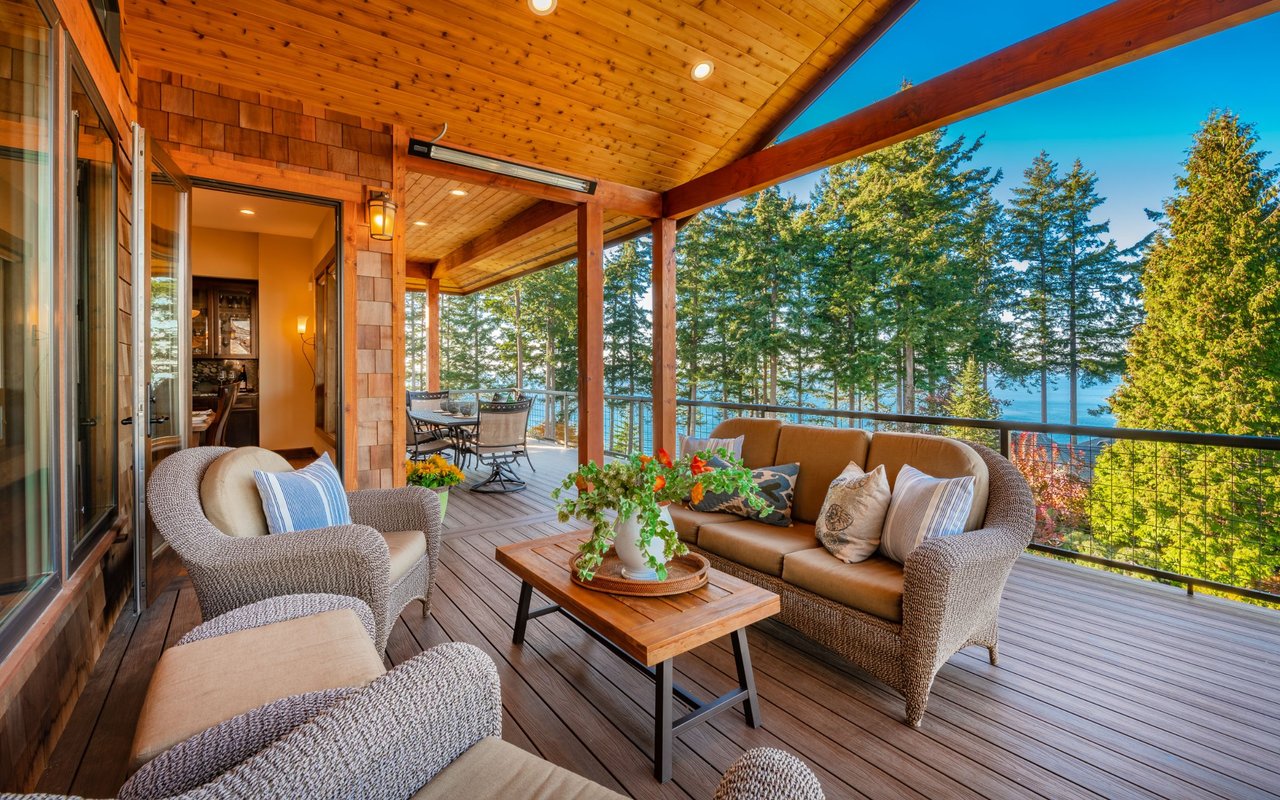
Thinking about selling your Lake Harmony short-term rental? In a seasonal market like the Poconos, buyers anchor price to proven income, not just pretty photos. You want a fair, defendable number that reflects what your place actually earns across summer lake days and winter ski weekends. This guide shows you how to build a revenue-backed valuation, what to prepare, and the local checks to complete in Kidder Township and Carbon County. Let’s dive in.
Why revenue-backed valuation matters in Lake Harmony
Lake Harmony is a leisure-driven market with strong seasonality. Summer lake stays and winter ski holidays drive most demand, so occupancy, ADR, and monthly revenue rise and fall across the year. Those swings make comps alone unreliable. A revenue-backed approach converts your actual bookings and costs into a clear, investor-ready price range.
The core metrics buyers will ask for
- Gross annual revenue and effective host revenue after platform fees and taxes you remit separately.
- ADR, occupancy, and RevPAR (ADR × occupancy) by month and full year.
- NOI (Net Operating Income) after operating expenses and reserves.
- Guest quality metrics like ratings, repeat bookings, and direct bookings share.
- Operating structure including management fees, cleaning arrangements, and vendor relationships.
A simple, step-by-step valuation process
1) Gather historic bookings and payouts
Pull 12 to 36 months of platform statements from Airbnb, Vrbo, and any direct booking site. Include gross bookings, fees, refunds, taxes collected, and net payouts. Separate owner-use nights so buyers can see full revenue potential.
2) Normalize your revenue
Adjust for one-off events, listing relaunches, or management changes. Remove taxes you remit separately and platform fees to get to effective host revenue. If COVID-era spikes or dips are in your history, use multi-year averages to smooth outliers.
3) Calculate operating expenses and reserves
Tally management fees, cleanings, utilities, insurance, property taxes, HOA dues, platform or credit card fees, routine maintenance, snow removal, licensing and inspection costs, software, and marketing. Add a replacement reserve for furniture and capital items so a buyer can plan for wear and tear.
4) Compute NOI
NOI equals effective gross income minus operating expenses and the replacement reserve. If you personally handle cleaning or guest messaging, assign a market rate to that labor. Buyers pricing the asset as an investment will expect those costs in the numbers.
5) Convert NOI to price
- Cap rate: Price equals NOI divided by cap rate. Choose a cap rate informed by comparable STR sales, local risk, and seasonality. If you lack direct cap rate data, derive it from comps by dividing NOI by sale price.
- GRM: Price equals GRM multiplied by gross annual revenue. GRM comes from recent STR sales by dividing price by gross revenue.
- DCF: Forecast 5 to 10 years of NOI with a terminal value and discount to present at a target return. This is useful if a buyer will renovate, raise ADR, or change operations.
6) Build a sensitivity range
Create conservative, base, and aggressive scenarios for occupancy and ADR. Show how small changes move NOI and price across different cap rates or GRMs. In a seasonal market, this protects you from overpricing and builds buyer confidence.
Hypothetical example: turning income into price
(Example only)
- Gross bookings: $120,000. Platform fees and taxes you remit separately reduce effective host revenue to $108,000.
- Operating expenses: $55,000. Replacement reserve: $6,000. NOI: $47,000.
- Cap rate method: Price equals $47,000 divided by 0.08 equals $587,500.
- GRM method: If market GRM equals 4.5, price equals 4.5 multiplied by $120,000 equals $540,000. Present a price range, explain assumptions, and include a sensitivity table in your full valuation package.
Lake Harmony checks before you list
- Confirm the property’s jurisdiction in Kidder Township and whether any condo or HOA rules apply.
- Verify STR registration, licensing, safety inspections, and any occupancy limits required by township or county.
- Review HOA covenants for minimum stays, registration, or insurance requirements.
- Confirm local occupancy or hotel taxes, your collection method, and remittance status.
- Map your seasonal calendar including peak summer, ski season, and holiday periods, plus any community restrictions that affect availability.
Your seller prep checklist
- Platform statements for 12 to 36 months and host P&L.
- Cleanings, maintenance, utilities, insurance declarations, property tax bills, and HOA statements.
- Licenses, STR permits, safety inspection certificates, and occupancy tax remittance records.
- Management agreements, housekeeping and maintenance contracts, and vendor contacts.
- Guest reviews, booking calendar exports, and direct booking data.
- Photos, renovation receipts, furniture and inventory lists, and the property deed.
- Two to three years of tax returns if rental income was reported on Schedule E or Schedule C.
Who is likely to buy your Lake Harmony STR
- Active investors who will operate and optimize for returns.
- Passive investors who prefer third-party management and clear net numbers.
- Second-home owners who value lifestyle and plan some personal use with offsetting income.
- Local operators who understand Poconos seasonality, staffing, and community rules.
What increases value at sale
- Clean, verifiable revenue with multi-year support.
- High guest ratings, strong response metrics, and repeat or direct bookings.
- Low-friction operations with stable management and housekeeping.
- Upgrades that raise ADR like modern kitchens, reliable wifi, and durable finishes.
- Clear legal status with permits in place and no code or HOA issues.
Risks to surface and solve early
- Regulatory changes or stricter enforcement that could limit STR use.
- Volatile demand from weather, travel trends, or macro conditions.
- New supply that pressures ADR and occupancy.
- Insurance availability and cost for vacation rental policies.
- Financing constraints that reduce the buyer pool or require larger down payments.
Financing and tax notes to plan for
Lenders vary in how they count STR income. Some want two or more years of documented rental income, and some programs limit properties that are primarily short term rentals. Expect cash buyers, 1031 exchange investors, and portfolio or commercial loans to be part of your buyer mix. Vacation rental insurance differs from standard homeowners coverage and may cost more or require added safety features.
Rental income is generally taxable. How you report the activity affects deductions and potential depreciation recapture at sale. Provide returns and schedules to back up your numbers, and speak with a qualified tax advisor about your specific situation.
How Live Free Listings can help
You do not need to build this valuation alone. Live Free Listings pairs investor-grade underwriting with full-service hospitality operations in the Poconos. Our vertically integrated model covers acquisitions, revenue modeling, turnkey design, guest marketing, and day-to-day operations through our hospitality arm. We manage more than 100 vacation homes, work with out-of-state investors, and deliver book-direct demand alongside platform bookings.
If you are selling, we will compile a revenue-backed valuation package, organize your documents, confirm local compliance, and position the asset for the right buyer profile. If you decide to hold, we can benchmark performance and recommend upgrades that raise ADR and reduce hassle.
Ready to price your Lake Harmony STR with confidence? Connect with Live Free Listings to schedule a free investment review and revenue estimate.
FAQs
Why use revenue-backed valuation for a Lake Harmony STR?
- STR value depends on income and operating costs, and seasonality makes comps alone unreliable, so revenue-backed methods convert cash flow into a price investors trust.
Which documents should I gather before selling my Lake Harmony STR?
- Pull platform statements, tax returns, P&L, permits and inspections, insurance and HOA records, vendor contracts, invoices, photos, and booking calendars for 12 to 36 months.
How does seasonality impact a Lake Harmony valuation?
- Summer and winter peaks raise ADR and occupancy, while shoulder seasons dip, so you should use annualized revenue and show monthly seasonality in a multi-year view.
Can I use advertised nightly rates to set my sale price?
- No, you should use actual ADR and occupancy with platform fees and taxes accounted for, since advertised rates do not equal realized revenue.
How do local taxes and HOA rules affect a Kidder Township sale?
- Uncollected occupancy taxes or restrictive HOA covenants can lower buyer interest and price, so verify compliance and resolve issues before listing.
Who typically buys STRs in Lake Harmony and what do they want?
- Active and passive investors, second-home buyers, and local operators are common, and they want verifiable revenue, clean operations, and regulatory clarity.