If you are selling a short-term rental in Greentown, you are not just selling a house. You are selling a property that may be judged on its income history, guest setup, and local compliance record just as much as its bedrooms or finishes. When you package it the right way, you make it easier for buyers to see the home as a ready-to-run hospitality asset, not a project. Let’s dive in.
Why Greentown STR sales are different
Greentown sits in Greene Township in Pike County, within the Pocono Mountains tourism corridor. That matters because buyers are often looking at the area through both a lifestyle lens and an income lens.
The Pocono Mountains Visitors Bureau reported that Wayne, Pike, Monroe, and Carbon counties drew 30 million visitors and $7.2 billion in visitor spending in 2024. Lake Wallenpaupack, a 5,700-acre lake in Pike and Wayne counties, also remains a major recreation draw. In plain terms, your buyer may be thinking like an owner and an operator at the same time.
That changes how you prepare for sale. Instead of presenting the property only as a home, you want to show that it already functions in an organized, compliant, guest-ready way.
Start with Greene Township compliance
In Greene Township, a short-term rental permit is required when a dwelling is advertised or rented for fewer than 29 consecutive days. The permit is issued only to the owner, and it does not stay with the property when the home is sold.
That means one of the most important things you can do is set clear expectations. A buyer cannot simply step into your existing permit and start hosting right away. They must apply for their own permit before hosting.
Gather permit-related documents
Before you list, organize the records that support your current setup. This helps buyers understand how the property has been operated and what they will need to do next.
Useful records to collect include:
- Current and past short-term rental permit paperwork
- Owner and local-contact information used for the permit
- A photo of the property from the primary entrance
- Bedroom count documentation
- Parking-space count
- Sewage-system information
- Posted 911 number details
- Pike County hotel room excise tax certificate
- Pennsylvania sales tax license
A clean file can reduce uncertainty for buyers. It also shows that you have treated the home as an operating business, not an informal side project.
Confirm bedroom and septic records
In Greene Township, designated bedrooms must be at least 80 square feet. The township also notes that if no sewage permit is on record, the rental may be limited to three bedrooms and may require a dye test.
This is one of the biggest areas to clean up before marketing the home. If your listing presentation, permit records, and sewage documentation do not match, buyers may hesitate or reduce their offer.
Document occupancy and parking limits
Operational limits should be easy for a buyer to understand from day one. Greene Township limits overnight occupancy to two people per bedroom, and day guests are capped at 50% of the maximum occupancy.
The ordinance also requires on-site parking with at least one space per bedroom. RVs, camper trailers, and tents are not allowed. When you spell out these rules clearly, you help the buyer underwrite the property more accurately.
Build a buyer-ready transition packet
A strong STR sale usually includes more than photos and a seller disclosure. It should include a transition packet that helps the next owner understand how the property performs and how it has been managed.
Think of this packet as proof that the property behaves like a real hospitality business. The easier you make it for a buyer to review the operation, the easier it becomes for them to justify your asking price.
Include financial performance
Pennsylvania imposes a 6% hotel occupancy tax on short-term lodging under 30 days. The Pennsylvania Department of Revenue says hosts must register if their booking platform does not exclusively collect and remit that tax.
For buyers, tax compliance is part of the investment story. They want to know not only what the home earned, but whether the records behind that income are organized and credible.
Your packet should include:
- Trailing 12-month revenue
- Occupancy history
- Average daily rate
- Channel mix by platform or booking source
- Tax remittance records
- Utility costs
- Cleaning costs
- Maintenance expenses
- Repeat-guest data, if available
- Review history or guest feedback summaries
If you have seasonal patterns, note those too. A buyer looking at a Greentown STR will want a realistic picture of how the property performs across the year.
Save marketing screenshots
Greene Township can ask for copies of advertisements. Because of that, it is smart to save screenshots of listing pages, direct-booking pages, and other marketing materials.
These records also help a buyer understand how the home has been positioned in the market. Good marketing history can support the story that the property has been actively and professionally operated.
Hand over vendor and operations info
At closing, buyers often want the practical details that keep the property running smoothly. If you can provide them in a simple, organized format, you increase the odds of a smoother transaction.
Helpful handoff items include:
- Permit history
- Tax certificates
- Revenue statements
- Platform reviews
- Maintenance logs
- Cleaning contacts
- Service vendor contacts
- House rules used during operation
- A note that the buyer must reapply for permits and permissions before hosting
This kind of handoff is especially helpful for out-of-area buyers or second-home buyers who want a clearer path from closing to launch.
Stage the home like a turnkey rental
When buyers shop for a Greentown STR, they are often evaluating two things at once. They are asking whether they would enjoy the property personally and whether guests would respond well to it.
That is why light staging and presentation matter so much. You do not always need a major renovation. Often, you need a cleaner, more consistent guest-ready look.
Focus on the rooms buyers notice most
According to NAR’s 2025 Profile of Home Staging, 83% of buyers’ agents said staging makes it easier for buyers to visualize a property as their future home. The same report found that 49% of sellers’ agents saw staged homes sell faster, and 29% said staging produced a 1% to 10% increase in the dollar value offered.
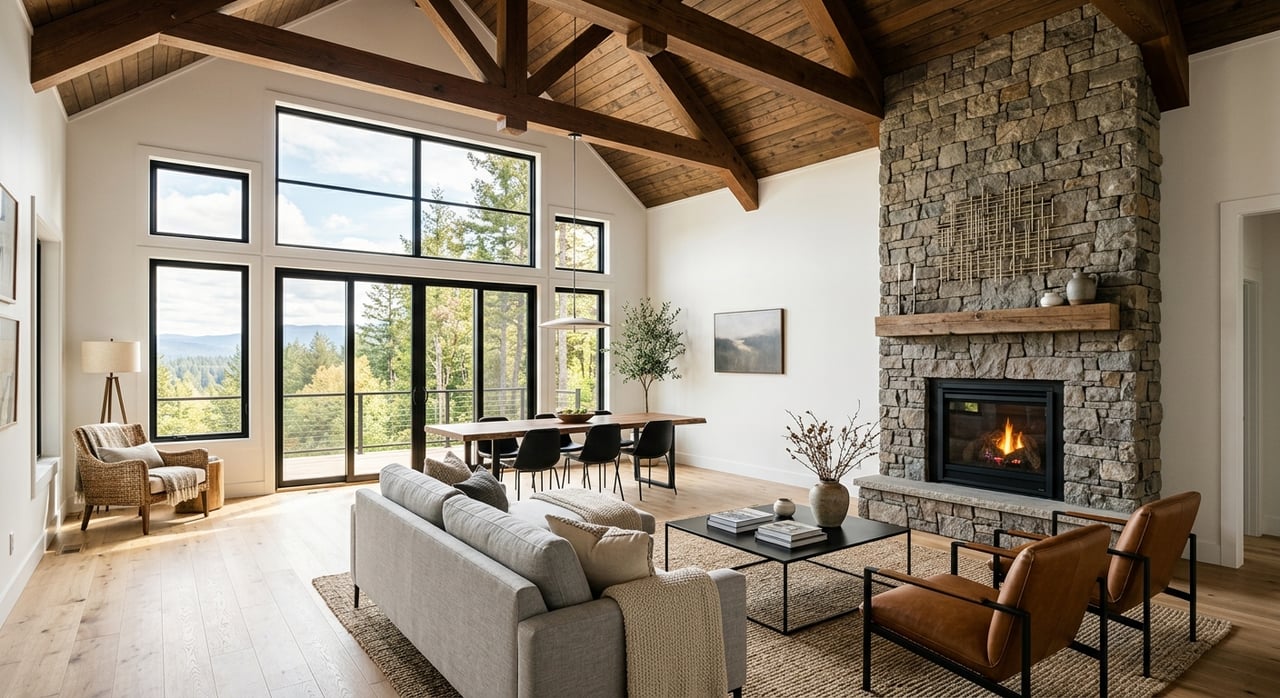
The rooms buyers cared about most were the living room, primary bedroom, and kitchen. For a Greentown STR, those are also the spaces that shape guest impressions in photos and in person.
Make practical, light-touch upgrades
NAR’s consumer staging guidance points to decluttering and styling rather than remodeling. That approach fits especially well for short-term rentals, where buyers want to see a property that feels current and easy to continue operating.
Smart updates may include:
- Neutral paint
- Updated lighting
- Simple hardware swaps
- Fresh towels and bedding
- Clean, coordinated rugs
- Reduced personal items
- Better furniture placement
- A clean, inviting entry
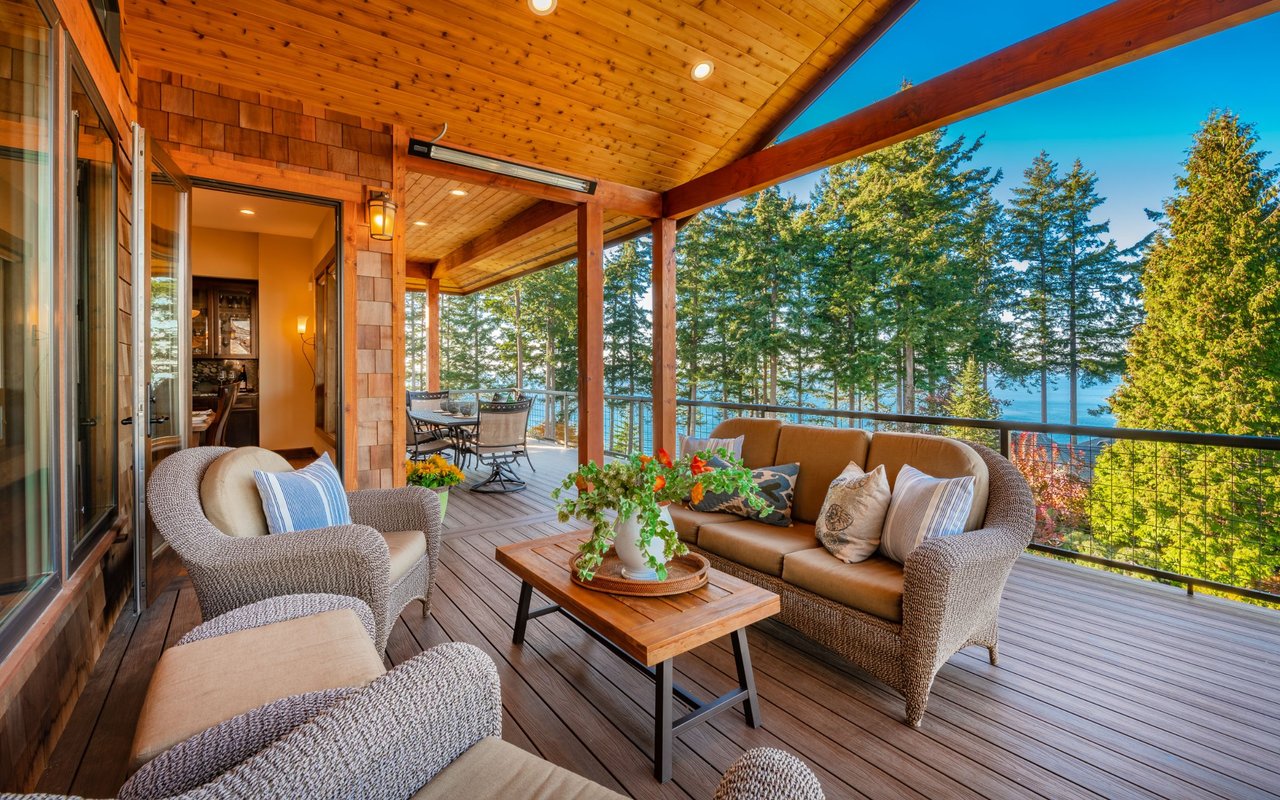
- Photo-ready outdoor seating
These changes can help the home feel more turnkey without pushing you into major capital work right before listing.
Show hospitality features clearly
In Greentown, staging can also support the compliance story. A tidy entry, visible 911 information, clear parking areas, and neatly posted house rules all help the buyer understand how the property functions as a managed rental.
That may sound small, but it matters. Buyers want to picture not just a stay, but an operation.
Make remote buyers feel confident
Many STR buyers are not local, and some may review several Pocono properties before choosing one. That makes your media package a big part of your sale strategy.
NAR has reported that photos, videos, and virtual tours are highly important to buyers. For an STR sale, that is even more relevant because buyers often want to judge the guest experience before they ever step inside.
Use visuals that tell an operating story
Your photos should do more than show square footage. They should show the guest journey, from the front entry to sleeping spaces to gathering areas to outdoor amenities.
Try to make sure your visuals communicate:
- Arrival experience
- Clean and uncluttered interiors
- Functional bedroom count
- Guest parking setup
- Main entertainment spaces
- Outdoor seating or recreation areas
- Overall readiness for continued hosting
When buyers can see both lifestyle appeal and operational readiness, they tend to ask better questions and make decisions faster.
Answer common buyer concerns early
A strong listing packet does more than impress buyers. It removes avoidable confusion before it slows down the deal.
In Greentown, there are a few questions that come up again and again. If you answer them before they are asked, your property will feel more transparent and easier to evaluate.
Be upfront about permit transfer
The existing short-term rental permit does not transfer with the sale. Greene Township states that the permit is personal to the owner and does not run with the property.
This should be stated clearly in your sale materials. It is better to be direct early than to let a buyer discover it late in the process.
Clarify guest capacity
Guest capacity should also be easy to understand. Greene Township caps overnight occupancy at two people per bedroom and day guests at half of the maximum occupancy.
If you provide the approved bedroom count and the parking count alongside those limits, the buyer can evaluate the home with fewer assumptions.
Position the property for a stronger sale
The core idea is simple. In Greentown, a successful STR sale is about showing that the property already operates like a compliant, easy-to-manage hospitality business with documented income, documented guest capacity, and a setup that helps the next owner step in quickly.
If you package the compliance file, financials, operations details, and presentation the right way, you make the home easier to trust. And in a market shaped by tourism, trust can be a powerful part of value.
If you want help preparing your Greentown short-term rental for market, from pricing and positioning to hospitality-minded presentation, Live Free Listings can help you build a stronger sale story.
FAQs
Can a buyer use the seller’s existing STR permit in Greentown?
- No. Greene Township says the short-term rental permit is personal to the owner and does not transfer with the property.
What occupancy limits apply to a Greentown short-term rental?
- Greene Township limits overnight occupancy to two people per bedroom and day guests to 50% of the maximum occupancy.
What documents should a Greentown STR seller organize before listing?
- A strong package includes permit records, tax certificates, revenue statements, bedroom and sewage documentation, parking details, ad screenshots, maintenance logs, and vendor contacts.
Why do financial records matter in a Greentown STR sale?
- Buyers often evaluate the property as an income-producing hospitality asset, so clear records on revenue, occupancy, average daily rate, taxes, and expenses help support value.
What home updates usually help a Greentown STR stand out?
- Light-touch improvements like decluttering, neutral paint, fresh linens, updated lighting, simple hardware changes, and clean outdoor seating can make the home feel more turnkey and guest-ready.