Shopping for a lake home around Greentown and seeing “lake access” in listings? That phrase can mean very different things for your lifestyle, your budget, and your ability to rent or resell. You want a clear picture before you tour, offer, or close. In this guide, you’ll learn the common types of access, typical amenities, the rules that shape daily use, and the documents to verify so you can buy or sell with confidence. Let’s dive in.
Lake access types explained
Deeded or private shoreline
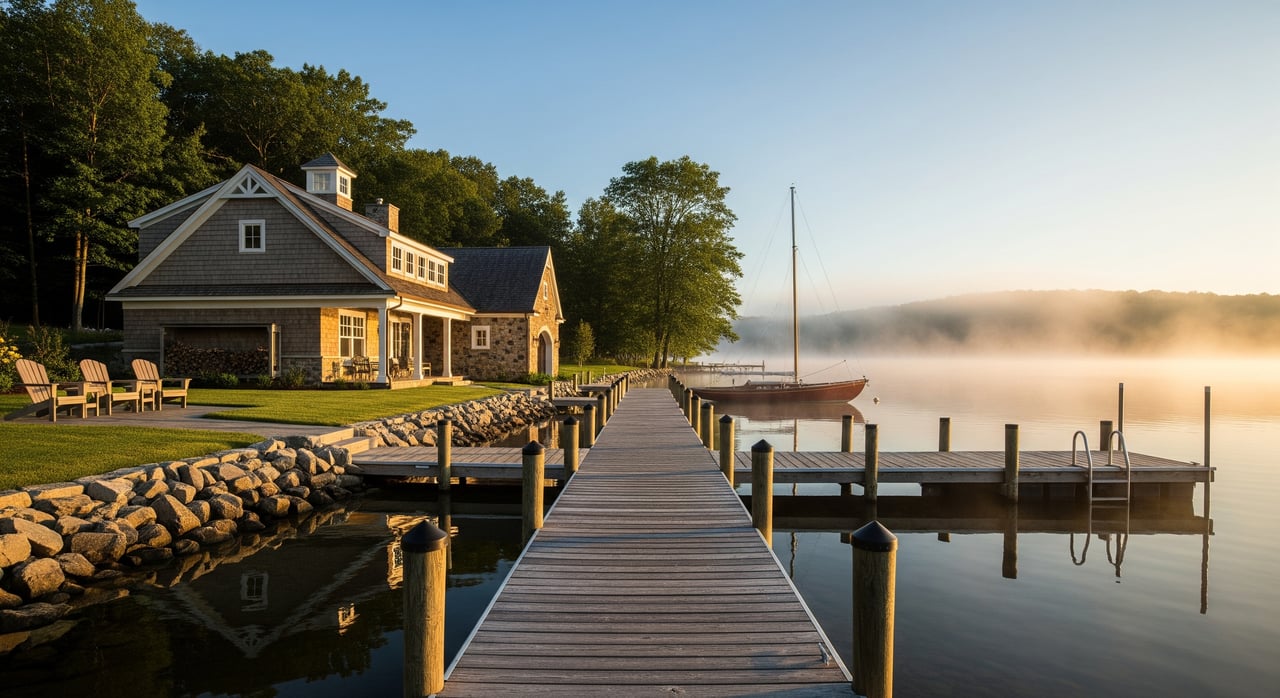
Owning a parcel with deeded shoreline or a private dock typically offers the most control and convenience. Your rights come from the deed and recorded plats, so the exact language matters. Expect responsibilities for maintenance and compliance with local permits if you plan to add or modify docks or shoreline features.
Community or HOA access
Many Greentown-area homes sit in communities that offer shared beaches, piers, or boat launches. Access is limited to members or residents in good standing. You usually pay dues, follow posted rules, and may need passes for guests and vehicles.
Public launches and parks
Municipal, county, or state-managed boat ramps and parks are open to the public. Hours, fees, and parking rules vary. Public access can be a great perk for boaters, but expect busier days during peak season and holidays.
Easements and permissive use
Some properties benefit from a recorded access easement across another parcel to reach the shoreline or a launch. In other cases, owners may have permissive access that is not recorded. Only recorded easements guarantee ongoing use, so always confirm with the deed and county records.
Riparian rights vs. access rights
Owning a lot that touches a lake is different from holding exclusive rights to use a shoreline area. Riparian or littoral rights can be complex and vary by parcel. Always review the deed and consult title records to understand what you can use and what you can limit.
Who sets the rules in the Greentown area
Municipal oversight
Township or borough offices regulate zoning, setbacks, building permits, docks, and septic systems for properties around Greentown. These offices also handle questions about shoreline modifications and code compliance. Start here for any plans to build, add a dock, or expand parking.
HOAs and lake associations
Homeowners associations and lake associations manage shared amenities, from beach maintenance to boat slip allocation. They set rules for boat types, speed or no-wake zones within their purview, guest policies, and rental restrictions inside the community. Ask for bylaws, rules, and recent meeting minutes before you buy.
County and state agencies
Pike County offices and the conservation district influence erosion control, land use, and shoreline best practices. State agencies oversee boating registrations, safety rules, and water resource protections. If a lake has a dam, expect state-level oversight and periodic inspections.
Amenities tied to lake access
Water recreation staples
Common amenities include shared or private beaches, swim areas, launches or ramps, fishing piers, marinas or slip rentals, and picnic lawns. Some communities add playgrounds, hiking paths, and clubhouses for gatherings. Confirm guest policies, hours, and pass requirements.
Seasonal events and programming
Lifestyle perks often include fishing derbies, regattas, summer day camps, and holiday gatherings. These events help owners and guests connect with the community. Check community calendars and ask about volunteer needs or any related fees.
Accessibility and parking
Parking capacity can make or break your weekend plans. Ask about on-site spaces, overflow lots, and guest permit rules at beaches and launches. If accessibility is important, confirm ADA-friendly features at ramps, restrooms, and paths.
Property types near Greentown lakes
Waterfront lots and homes
Waterfront parcels often command a premium and carry unique responsibilities. Review shoreline setbacks, dock permits, erosion conditions, and vegetation rules. If you plan short-term rentals, verify noise, parking, and guest limits.
Near-lake homes with shared access
Homes a short walk or drive from a beach or launch can offer a lower purchase price than true waterfront. You still enjoy water access through an HOA or association pass. Confirm distance to usable shoreline and seasonal crowd patterns.
Condos and planned communities
Condominiums and master-planned communities may provide managed shoreline, slip lotteries, and common-area maintenance. Review budgets for reserves and any special assessments tied to dam work or beach restoration.
Costs, restrictions, and obligations
Dues, assessments, and slips
Expect HOA dues to cover beach upkeep, launch repairs, or security. Some communities charge separate fees for boat slips or storage. Ask about pending or historical special assessments, especially for dams or large shoreline projects.
Boat, motor, and use rules
Rules can include motor horsepower limits, speed zones, lake quiet hours, and safety equipment requirements. Launch permits, trailer tags, and parking passes may be required. Review written rules and posted signage before you buy or host guests.
Short-term rentals and guests
Short-term rental policies vary by municipality and HOA. Some allow rentals with permits, others cap the number of nights, and some restrict STRs entirely. Confirm guest access to amenities and any pass limits during peak season.
Environmental and safety checks
Water quality and advisories
Water quality can change with weather and season. Look for recent testing results for bacteria or algae advisories from local health authorities or associations. If you are a frequent swimmer or angler, add this to your regular due diligence.
Invasive species and fisheries
Invasive plants or mussels can affect boating, fishing, and maintenance needs. Ask about prevention protocols at launches and any boat cleaning guidelines. If you fish, review current stocking, license needs, and seasonal rules.
Flood zones, dams, and lake levels
Check the property’s flood zone designation to understand insurance requirements. If the lake is formed by a dam, review inspection history and emergency action plans. Ask how seasonal lake level management affects dock use and shoreline access.
Buyer due diligence checklist
- Deed, title report, and recorded easements confirming access details.
- Recent survey showing property boundaries and shoreline proximity.
- HOA or lake association bylaws, rules, budgets, minutes, and fee schedules.
- Current information on water quality advisories and testing.
- Dock permits, shoreline modification permits, and setback requirements.
- Septic and well inspection results, plus utility details for year-round use.
- Flood zone status and any dam inspection or emergency action plans.
- Parking, guest pass rules, and launch capacity during peak season.
- Comparable sales that reflect your exact access type.
Seller preparation and disclosure checklist
- Provide the deed, recorded easements, and any surveys that define access.
- Share HOA or association documents, fee history, and any special assessments.
- Document permits for docks or shoreline work and any recent repairs.
- Offer recent water, septic, and well reports where applicable.
- Clarify STR history, permits, and community or municipal rental rules.
- Highlight amenities with photos and clear instructions for passes and parking.
- Prepare a simple map or description of the nearest usable shoreline and launch.
Market impact of access type
How access affects value
Waterfront with deeded shoreline often commands the largest premium, followed by near-lake properties with private community amenities. Public-only access can still be attractive, especially for buyers focused on boating or fishing without HOA dues. Because each access type is unique, pricing requires careful comp selection and adjustments.
Seasonality and STR demand
In many lake markets, demand rises in warm months and during holiday weeks. If you plan to rent, factor in guest parking, launch capacity, and quiet hours. Clear house rules and accurate amenity descriptions help reduce guest friction and protect reviews.
Where to verify information locally
- Pike County offices for assessor records, recorder of deeds, and GIS parcel maps.
- Township or borough zoning and building offices that cover Greentown-area parcels.
- Local lake or homeowners associations for bylaws, rules, passes, and fees.
- Pike County Conservation District for erosion and shoreline best practices.
- State-level boating, fishing, and water resource authorities for registrations and safety rules.
- Local health department for bathing and algae advisories.
- FEMA resources for flood zone information.
How Live Free Listings helps buyers and investors
You deserve a clear plan from first showing to first swim, or from first guest check-in to consistent revenue. Our team combines local brokerage expertise with hospitality operations to help you underwrite lake properties, confirm access details, and plan design and setup that aligns with community rules. Whether you seek a peaceful second home or a revenue-focused short-term rental, we help you verify documents, model returns, and streamline operations. Ready to find the right lake access fit for your goals? Connect with Live Free Listings for a free investment review and revenue estimate.
FAQs
What does “lake access” include for a Greentown home?
- It can mean deeded shoreline, shared HOA amenities, public ramps, or an easement; confirm the exact type by reviewing the deed, recorded documents, and community rules.
How do I confirm if a dock is allowed at a property near Greentown?
- Check municipal permitting, shoreline setback rules, any association bylaws, and relevant state permit requirements before you plan or install a dock.
What costs should I expect with HOA-based lake access?
- Budget for annual dues, possible special assessments, launch or parking passes, and separate fees if there is a boat slip program or storage.
Are short-term rentals permitted for Greentown lake homes?
- Policies vary by municipality and community; verify local ordinances and HOA rules, including guest pass limits and quiet hours.
How can I check current water quality for swimming or fishing?
- Ask the lake association or local health department for the most recent testing results and any advisories for bacteria or algae.
Will lake access affect flood insurance or safety requirements?
- Review the property’s flood zone, any dam-related documents, and emergency action plans to understand insurance needs and seasonal lake level management.