What if you could estimate your Albrightsville short-term rental income with confidence instead of hunches? If you’re eyeing a Pocono cabin or prepping your second home for guests, guessing at nightly rates and occupancy can lead to missed revenue or an overvalued deal. In this guide, you’ll learn a simple, repeatable method to forecast revenue that reflects local seasonality, real comps, and full operating costs. By the end, you’ll have a step-by-step plan you can put to work today. Let’s dive in.
Why Albrightsville demand swings
Albrightsville sits within the Pocono Mountains, a leisure-driven region where demand clusters around outdoor recreation and getaways from nearby metro areas. You’ll see strong weekend and holiday traffic, especially in the winter ski season and the summer lake season. Fall foliage and spring holidays help fill shoulder months.
Guest profiles usually include weekenders from Philadelphia, New York City, and northern New Jersey, family groups in multi-bedroom homes, and skiers or wedding parties. Stays often run 2–3 nights for weekends and longer in peak summer weeks. Because weekend demand can be very different from weekdays, your forecast should model both.
Data you need to gather
Start with a blend of market analytics and manual checks so you’re not relying on guesses.
- STR analytics: AirDNA MarketMinder, AllTheRooms, Transparent, Mashvisor, Inside Airbnb
- Platform data: Airbnb and VRBO listings for price, availability, fees, minimum stays, and calendar gaps
- Local sources: Pocono tourism calendars, Carbon County or township websites for rules and permits
- Financial context: MLS or local sales data, plus input from local property managers on fee ranges and operating costs
If you want a free approach, manually track 8–15 active comps from Airbnb/VRBO within a 10–20 minute drive. Record nightly prices, booked vs open dates, and minimum-night rules for each month. This gives you a reliable read on seasonality.
Build a strong comp set
Your comps should mirror your property as closely as possible.
- Location: same town or within a 5–15 minute drive
- Type and size: cabin, single-family, or condo; match bedroom and bathroom count and guest capacity
- Amenities: hot tub, fireplace, outdoor fire pit, lake access, parking, pet policy
- Décor and condition: basic vs premium presentation impacts achievable rates
Aim for 8–15 comps. If inventory is thin, widen the radius a bit and adjust expectations for distance or amenity gaps.
Pull the right baseline metrics
For each comp, capture monthly figures. Focus on:
- ADR by month (average daily rate)
- Occupancy rate by month
- Minimum stays and notable blocked dates
- Booking lead time patterns
- Platform mix (Airbnb, VRBO, direct)
- Cleaning fee charged to guests
These inputs power a clean monthly forecast and help you spot seasonal spikes.
Forecast monthly revenue step by step
Work month by month to reflect seasonality. Use the same structure for all 12 months, then sum to annual.
- Define availability
- Expected nights available = days in month − owner blocks − maintenance days
- Estimate booked nights
- Expected nights booked = expected nights available × monthly occupancy (from comps)
- Calculate gross rental revenue
- Monthly gross revenue = expected nights booked × monthly ADR
- Annualize
- Annual gross revenue = sum of monthly gross revenue across all 12 months
To keep it tidy, use variable names and repeat for each month:
- Nights_booked_m = Days_month_m × Occ_rate_month_m
- Gross_rental_m = Nights_booked_m × ADR_month_m
- Annual_gross = Sum(Gross_rental_m for months 1–12)
Adjust for peak periods and weekends
You’ll leave money on the table if you price every day the same. In Albrightsville and the broader Poconos, demand surges around:
- Winter ski weekends and holidays
- Summer lake season and holiday weeks
- Shoulder-season foliage weekends and spring holidays
Create a simple calendar of peak dates and raise ADR and expected occupancy for those windows. Also account for minimum-night rules. A 3-night weekend minimum can lift average booking value but may reduce midweek or short-gap fills.
Include every operating cost
Revenue is only half the story. Build a monthly budget that reflects real hosting costs so your net numbers are accurate.
Common expenses to include:
- Platform host fees and payment processing
- Property management fee if you outsource operations
- Cleaning fees per stay and linens/turnover supplies
- Utilities: electric, gas, water, internet, and TV services
- Insurance: short-term rental or landlord coverage
- Repairs and maintenance reserve
- HOA or resort fees; landscaping, lawn, and snow services
- Property taxes and, if financed, mortgage interest and principal for cash flow modeling
- Consumables: toiletries, coffee, paper products, and guest amenities
- Local and state lodging-related taxes that must be collected and remitted
If your platform pays cleaning fees to you, include them in revenue and then deduct your actual cleaning costs. This keeps your NOI calculation honest.
Model NOI and cash flow
Use a simple structure to see your monthly and annual profitability.
Key inputs per month:
- ADR_month_m
- Occ_rate_month_m
- Days_month_m
- Cleaning_fee_per_stay
- Platform_fee_pct
- Management_fee_pct
- Utilities_monthly
- Insurance_monthly
- Maintenance_reserve_monthly
- Property_tax_monthly
Formulas:
- Nights_booked_m = Days_month_m × Occ_rate_month_m
- Gross_rental_m = Nights_booked_m × ADR_month_m + (Nights_booked_m × Cleaning_fee_per_stay if applicable)
- Platform_fees_m = Gross_rental_m × Platform_fee_pct
- Management_fee_m = Gross_rental_m × Management_fee_pct
- NOI_m = Gross_rental_m − Platform_fees_m − Management_fee_m − Utilities_monthly − Insurance_monthly − Maintenance_reserve_monthly − Property_tax_monthly
- Annual NOI = Sum(NOI_m across 12 months)
- Cash flow = Annual NOI − annual debt service (if financed)
Run conservative, base, and upside cases
Build three scenarios so you understand risk and upside before you buy or convert.
- Conservative: ADR and occupancy 10–20 percent below comp averages; slightly higher expenses
- Base: Match comp averages and your expected operating budget
- Optimistic: Higher ADR on peak weekends and better shoulder-season fill; fewer owner blocks
To find your break-even point, use:
- Break-even nights per month = (monthly fixed costs + desired profit) ÷ target ADR
This tells you the minimum nights you need to book at your planned rate to cover costs and hit a profit target.
Regulations, taxes, and compliance
Rules vary by township in Carbon County and across the Poconos. Some municipalities require STR permits, inspections, safety equipment, limited occupancy, or specific neighborhood allowances. Before you forecast profits:
- Contact the township where the property sits to confirm STR registration, permit steps, inspections, and enforcement procedures
- Review Carbon County or municipal websites for zoning restrictions and neighborhood rules
- Confirm whether platforms collect any taxes by default and what you must still register for and remit
Pennsylvania short-term rentals may be subject to state sales or lodging-related taxes, and local hotel or occupancy taxes may apply. Consult the Pennsylvania Department of Revenue for state-level guidance and check with Carbon County or your municipality on local assessments. If you are in an HOA or resort community, confirm association rules and any additional fees.
Standard homeowner policies often exclude STR activity. Obtain short-term rental or landlord insurance that includes liability, guest-related damage, and loss-of-income coverage where available. If you plan to finance, confirm your lender’s stance on STR use.
Albrightsville-specific adjustments
A few local realities will help you fine-tune your forecast:
- Lake and resort premiums: Homes with lake access or resort amenities often see stronger summer ADR and occupancy, while properties near winter recreation can outperform on ski weekends
- Winter operations: Budget for snow removal and occasional access delays that can affect turnarounds or cause short vacancies
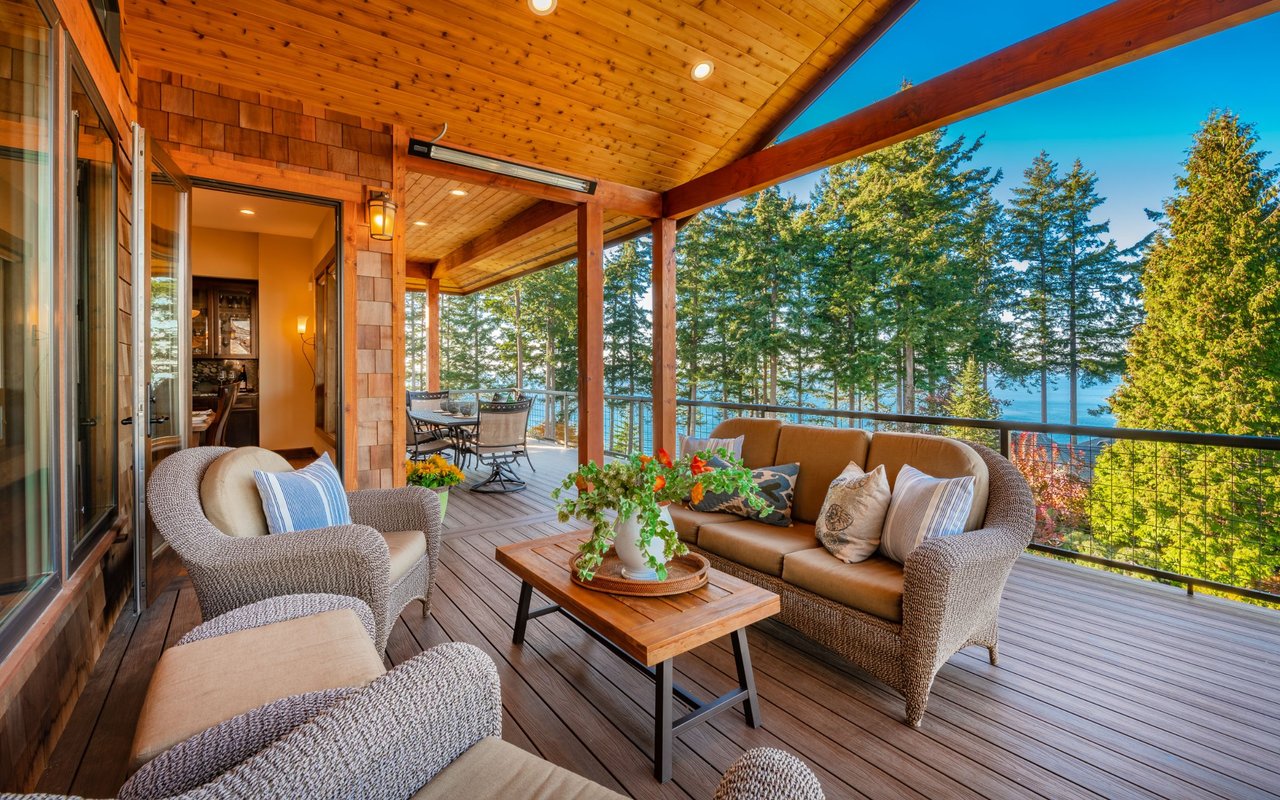
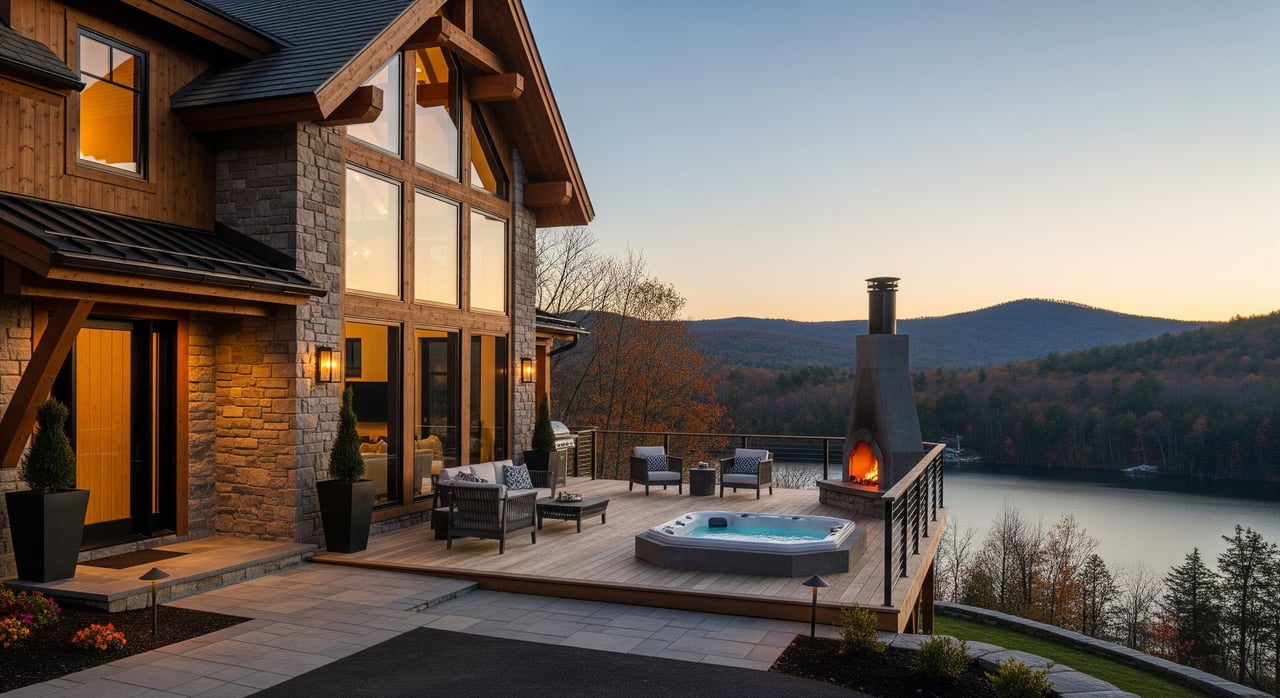
- Amenities that sell: Hot tubs, fireplaces, outdoor fire pits, functional parking, and thoughtful design can lift ADR and reviews
- Weekends vs weekdays: Expect higher weekend rates and faster weekend bookings; longer summer stays can steady midweek occupancy
- Professional standards: In a resort market, guests compare you against professionally managed homes, which can raise expectations for cleanliness, communication, and amenities
A simple checklist you can use
- Gather 8–15 comparable listings within a 5–15 minute drive that match type, size, and amenities
- Record monthly ADR, occupancy, minimum nights, and calendar gaps for each comp
- Build a monthly revenue model by multiplying ADR × booked nights by month
- Layer in peak-date premiums and minimum-night rules
- Add all operating costs, including platform fees, management, cleaning, utilities, reserves, insurance, and taxes
- Create conservative, base, and optimistic scenarios, and calculate break-even nights
- Verify township rules, permits, HOA guidelines, and tax registrations before you launch
- Revisit pricing and comps every quarter to refine your forecast
Want help turning this into action?
If you want local comps, realistic budgets, and a turnkey plan to outfit and operate your Albrightsville STR, we can help you underwrite and manage with confidence. From acquisition and design to full-service hospitality operations, our team focuses on performance and guest experience so you can scale without the day-to-day friction. Ready to see your numbers? Schedule a free investment review and revenue estimate with Live Free Listings.
FAQs
How should I pick STR comps in Albrightsville?
- Match location within 5–15 minutes, property type and size, guest capacity, and key amenities like hot tubs or lake access, and target at least 8–15 similar listings.
What occupancy and ADR should I assume for forecasts?
- Use monthly ADR and occupancy from your comp set, then build conservative, base, and optimistic scenarios that reflect weekend/holiday surges and seasonal slowdowns.
How do I factor peak weekends and holidays in the Poconos?
- Create a calendar of winter ski weekends, summer holidays, and shoulder-season foliage dates, then apply higher ADR and slightly higher occupancy for those periods.
Which expenses hosts often miss in the Poconos?
- Snow removal, linens and supplies, streaming/internet upgrades, maintenance reserves, platform fees, and any HOA or resort fees on top of regular utilities and cleaning.
Do I need a permit to run a Carbon County STR?
- Rules vary by township, so contact the local zoning or permit office where your property sits to confirm registration, inspections, occupancy limits, and enforcement.
What taxes apply to Pennsylvania short-term rentals?
- Expect state-level sales or lodging-related taxes and possible local hotel/occupancy taxes; confirm registration, collection, and remittance requirements before you host.
How do I calculate break-even nights for my cabin?
- Add up monthly fixed costs and target profit, divide by your realistic ADR, then add variable costs per stay to estimate the total nights needed each month to break even.